Industry Insights · Government Loans
Can a Trucking, Warehousing or Consulting Firm Get Tariff Funding? The Supply-Chain Test
Ottawa's tariff program was built for exporters, but a hauler, a warehouse or a consulting firm can get in the door by showing it is part of an exporter's supply chain. Here is the test, who prints it, and what the file has to prove.
October 7, 2026 · 5 min read
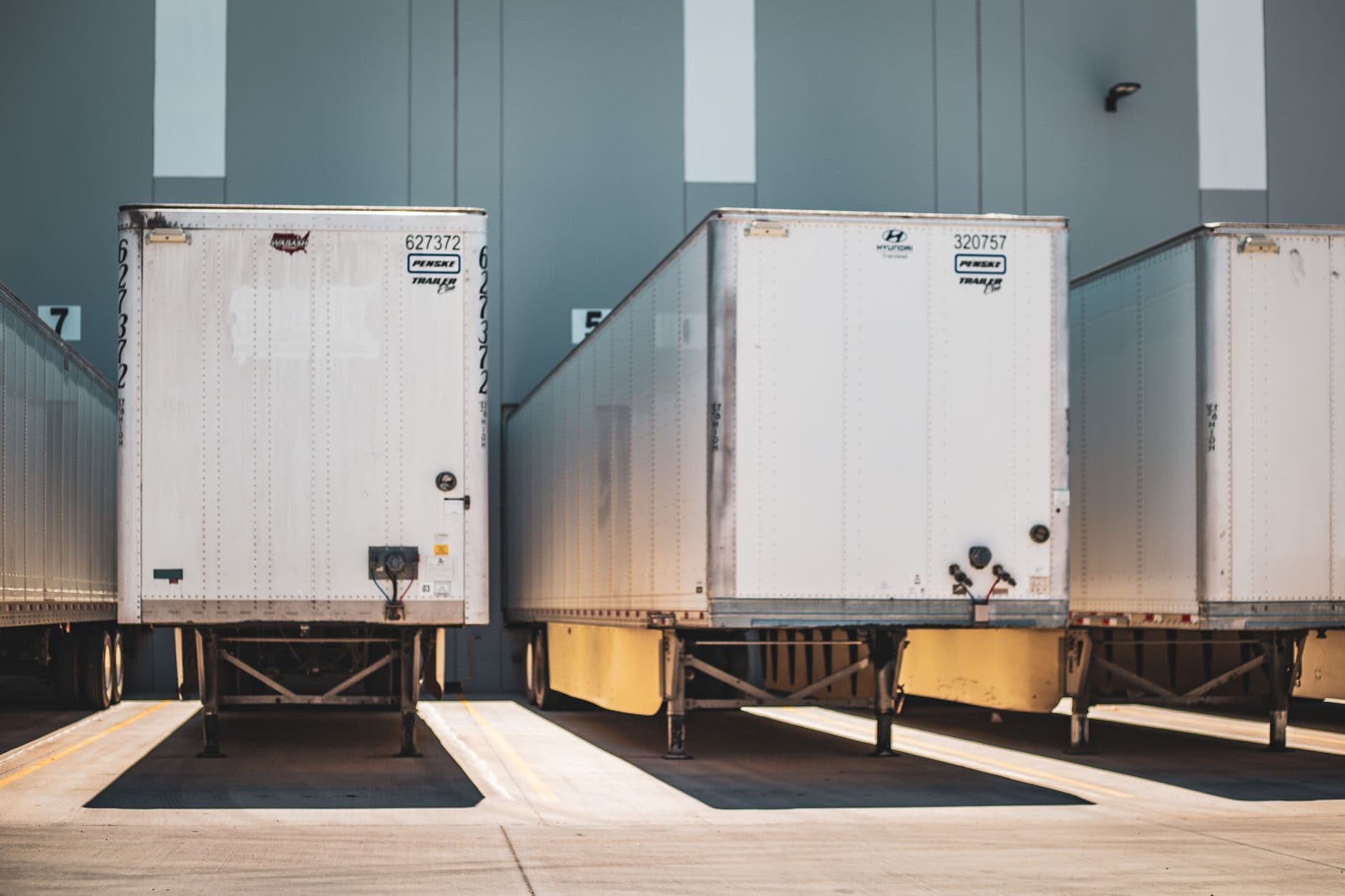
You do not have to be the exporter.
Ottawa's tariff program was built for the company whose steel, lumber or auto parts cross the border. But the rules in every region also count the company one step behind that exporter. On October 6, 2026, PrairiesCan put that in writing for three specific trades: transportation, warehousing and professional services.
The wording is "may be eligible." That is not a yes. It is an invitation to prove something, and the proof is the whole job.
The test is the same in every region
Every one of the seven regional agencies that deliver the tariff program runs the same three-part impact test. You pass if you meet any one part.
The first part is sector. You operate in a sector hit by the U.S. tariffs or Canada's countermeasures, and the agencies say that includes "indirect exposure, for example as a supply chain partner to an affected exporter."
The second part is export share. At least 25% of your revenue comes from goods that end up in the U.S.
The third part is damage. Tariffs raised what you pay for materials, broke a supply chain you depend on, or cost you revenue or customers.
The first part is the door for a hauler, a warehouse or a consultant. Your customer is the exporter. You are the supply-chain partner.
What the Prairies printed on October 6
PrairiesCan's new FAQ says the program "normally supports manufacturers, suppliers and value-added businesses operating in tariff-impacted sectors."
Then it names who is generally out. Retail. Local consumer services, and the FAQ lists hotels, restaurants, utilities, healthcare and recreation. Oil and gas extraction. Construction services.
Then it names the middle. Transportation and warehousing firms, and professional, scientific and technical services firms, "may be eligible if they demonstrate that they play a critical role in a supply chain."
Then the FAQ says forestry. To qualify, a company has to show its core business is directly tied to the operations or value chain of forestry exporters. That is the only sector the FAQ names, and the three-part test on the eligibility page counts a supply-chain partner to any affected exporter.
The same day, the Prairie eligibility page added a line to its list of who cannot apply: "businesses that are unable to demonstrate direct or indirect tariff exposure." The bar is proof, not trade.
Southern Ontario prints no sector list
FedDev Ontario delivers the program in southern Ontario. Its pages carry the same three-part test, word for word, and no list of sectors in or out. Its ineligible list carries the same line: a business "unable to demonstrate direct or indirect tariff exposure" is out.
So in Ontario the question is the same one. Who is your customer, and what happened to you when the tariffs hit them.
We read the Prairie list as the clearest statement yet of how the agencies think about a hauler or a consultant. It is still Prairie wording. Nothing on FedDev's pages puts a Mississauga warehouse in or out by its trade.
The rest of the gate still applies
The supply-chain test gets you to the door. The door has its own rules, and they are the same in both regions.
You are incorporated and for-profit. Revenue was at least $1 million in one of your last two fiscal years. The business was viable before the tariffs.
For payroll support you also show a cash need caused by the tariffs. The support is half your average monthly payroll. It runs up to 12 months. The cap is $2 million, and you do not pay it back.
What the file has to show
"May be eligible" means the person reading your application looks for the supply-chain role in your documents, not in your cover letter.
For the money side, both regions ask for the same things. Financial statements for the past two years. Payroll records. A cash flow forecast that shows the need.
For the tariff side, the agencies ask for evidence of tariff impact. FedDev's guide lists what counts: export sales records showing lower volumes, invoices, supplier notices or purchase orders showing higher costs on production materials, customs documents, revenue lost from customers or contracts, and layoffs, hiring freezes or Work-Sharing at your business. The guide also says you do not need to attach every record, just enough to verify the impact.
For a hauler, a warehouse or a consulting firm, the file has to answer one question with paper. How much of what you move, store or advise on belongs to an exporter the tariffs hit. Your sales by customer, your contracts with those customers, and what those customers did to their volumes with you after the tariffs, in numbers.
If that share is a sliver, the program is not built for you, and no amount of writing fixes it. If it is the core of the business, the file is mostly records you already have, and the agencies have told you in print that they will read them.
What to do this week
Pull your sales by customer for the last two fiscal years. Mark every customer that exports or got hit by the countermeasures. Put a percentage beside the total.
That one number tells you whether the supply-chain argument is real before you spend a day on an application.
If the number is big, start on the statements. Two years of financial statements is the slow document on every region's list, and in southern Ontario they have to be prepared by an outside accountant.
If you want us to look at the number with you, take the tariff check. We will tell you straight whether the supply-chain argument holds before you build the file.
Discover what your business qualifies for.
One assessment reads your situation the way a lender does. You leave knowing the path forward.