Industry Insights · Government Loans
Pivot Projects Under the Tariff Response Program: What Counts, the Dates, and the $1 Million Line
A pivot project under Ottawa's tariff program draws up to $1 million you don't pay back, or more than that as an interest-free loan. What the money buys, what it won't, and the dates that box it in.
October 7, 2026 · 5 min read
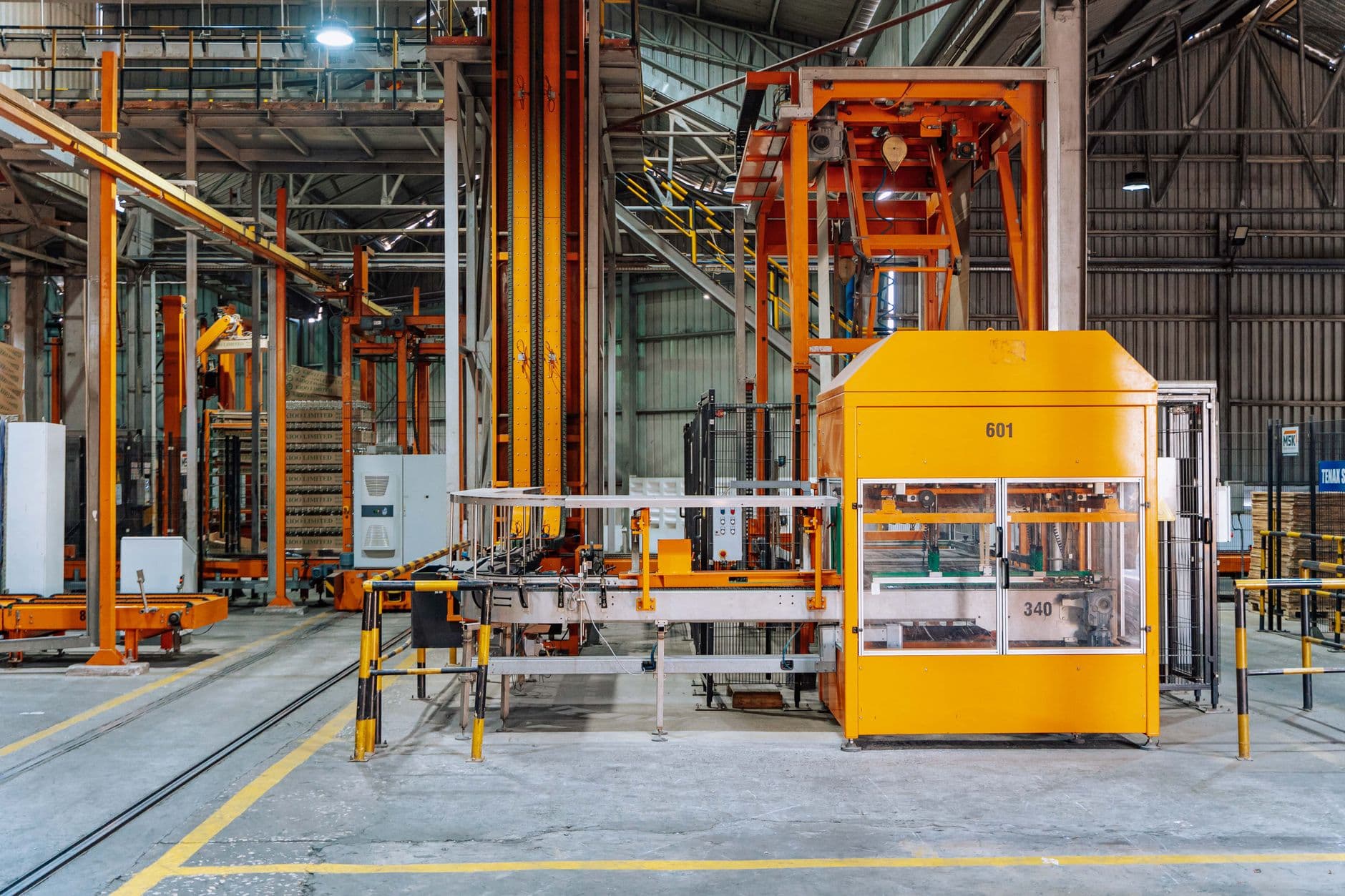
The $1 million line is a fork in the road.
Ottawa's tariff program, the Regional Tariff Response Initiative, funds pivot projects two ways. Up to $1 million, the money is yours to keep, covering up to half the eligible costs. Above $1 million, it is a loan, interest-free, covering up to three quarters.
Costs can go back up to 12 months before you apply, and every project has to be done by March 31, 2029. Those terms are the same at all seven regional agencies, Atlantic to BC to the territories. The small print is where the regions differ, and the small print is where files go wrong.
A pivot buys new capacity, not next month's payroll
Pivot money is for new, additional costs that make the business more productive, more competitive, less dependent on one supplier or one market, or bigger over the long run. The program names the kinds of work: modernizing a process, buying equipment and technology including automation, developing exports, cutting trade-related risk. A second production line for a customer outside the United States fits. Keeping payroll steady through a slow year does not.
The test is one phrase on the FAQ pages: the funding "must result in incremental and measurable outcomes." Incremental means you would not have spent the money anyway. Measurable means the project has targets with numbers on them.
Ongoing operating costs belong to the other stream, payroll support, which has its own cap and ends March 31, 2028. Ontario's guide says it straight: the same labour cost cannot be funded under both.
What the money will not pay for
Every agency rules out costs that are unreasonable, not incremental, or not tied to the project. The named examples are the same everywhere: buying land and buildings, entertainment, refinancing debt you already have, and, everywhere except the Prairies, vehicles.
The two that catch owners are the building and the debt. If the plan depends on buying the plant next door, that money comes from somewhere else. If the business carries expensive debt, this program will not pay it off. That is a lender's job, and the plan should say so from the first draft.
The $1 million line decides whether you pay it back
Below the line, the contribution is yours to keep, up to half the eligible costs, for projects with local or regional economic benefits. The arithmetic matters: to draw the full $1 million you need at least $2 million in eligible costs, and the other half has to come from outside the program.
Above the line, it is a loan, interest-free, up to three quarters of eligible costs. A $4 million project could draw $3 million, and the remaining $1 million has to come from outside the program.
One thing the pages do not offer: a split. No published combination turns a $1.5 million request into $1 million you keep and $500,000 you repay. Over the line, the pages treat the whole pivot as repayable.
Interest-free is still debt
A repayable contribution sits on your balance sheet as a liability until the last payment, and every lender who reads your statements in the meantime sees it. The schedule is set in the contribution agreement, so your cash flow forecast has to carry it before you sign.
Only the Prairies agency prints its usual schedule: a one-year grace period after the project ends, then 60 equal monthly payments, with interest charged if principal is late. Everywhere else the schedule arrives with the agreement.
If you are already paying down a term loan, these payments stack on top. Check the debt coverage before you choose the bigger tier. Going over $1 million to reach the 75% share can leave you with more fixed payments than your margins can carry.
The dates that box the project in
Costs can start up to 12 months before the application, so a pivot you already started can bring recent spending into the budget. The rule says those costs may be eligible. No page promises any particular cost will be accepted.
Three regions set a floor on how far back you can go. British Columbia counts nothing before April 1, 2026. The Prairies count nothing before March 21, 2025. Quebec's general rule is that costs before the signed application are usually not eligible.
The finish line is the same everywhere: March 31, 2029. The Prairies agency is also the only one with a published close for applications, December 31, 2028, or earlier if the money runs out.
The caps above the project
Per business, the money you keep tops out at $3 million: up to $2 million in payroll support and up to $1 million in pivot money. With the loan tier included, the ceiling is $20 million.
Your own share has to be real money. Ontario's guide asks whether you have secured your portion and where it comes from, and rules out in-kind contributions and cash from revenue you are forecasting. The Prairies agency wants the share confirmed when you apply and again before approval, and accepts bank statements, an unused credit line, or a lender's letter that depends on the contribution. Every agency wants every source of government money disclosed.
For an equipment-heavy pivot, a term loan can carry your half, including a government-backed small business loan. That loan has its own approval timeline, so it belongs in the plan from day one.
Before the file goes in
Eligibility first: at least $1 million in revenue in one of the last two fiscal years, a business that was viable before the tariffs, and a tariff hit you can show. The tariff check runs those three in two minutes.
Then the project, in order. Price it before you pick a tier. Date every cost against the 12-month window and your region's floor. Get your share confirmed in writing. Then decide whether the loan tier is worth payments that run for years after the project ends.
One rule holds in every region: build the plan below the line first, and cross it only when the numbers carry the repayments.
Discover what your business qualifies for.
One assessment reads your situation the way a lender does. You leave knowing the path forward.