Industry Insights · Government Loans
Which Bank Is Best for CSBFL? The Branch Matters More Than the Brand
Everyone asks which bank is best for a CSBFL loan. They are asking the wrong question.
June 26, 2026 · 9 min read
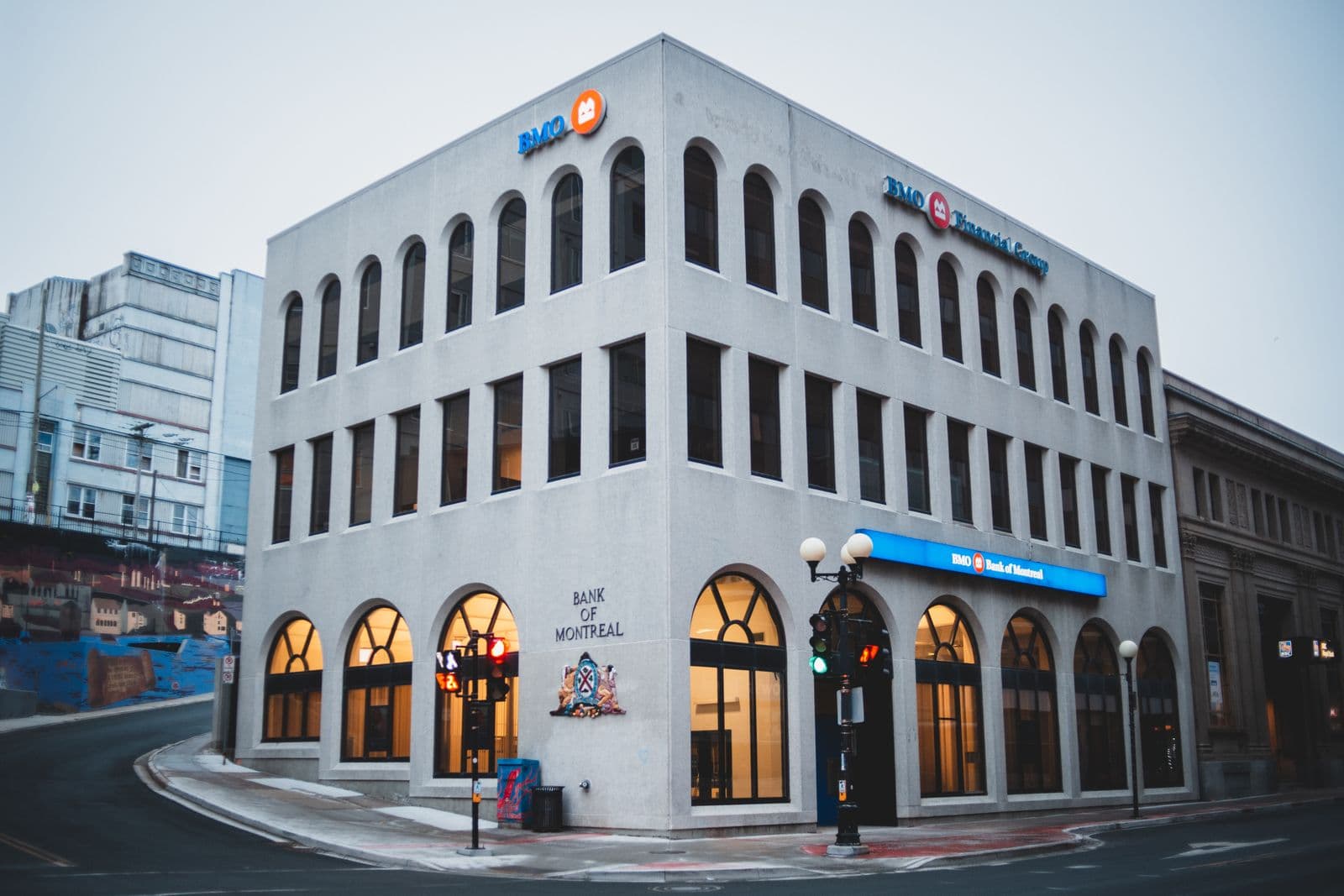
Everyone asks which bank is best for a CSBFL loan. They are asking the wrong question. The CSBFL (Canada Small Business Financing Program) is the same program at every bank. The rate caps are the same ($1M ceiling, up to 15 years, prime plus 3% for floating-rate term loans, 85% government guarantee). The paperwork is the same. The program rules are the same. So why does one owner at BMO get approved in six weeks and another gets a no in month two? Because the bank's Toronto branch is not the same as the bank's Edmonton branch, and the credit team at your local branch is not the same as the credit team two neighborhoods over. The difference between yes and no is often which person reads your file.
The Branch Lottery
CSBFL is delivered at the bank level, but approval is written at the branch level. An owner applies at their local TD branch. The branch manager understands CSBFL. The credit officer has approved 50 of them in the past year and knows the program cold. That owner gets a fast read, smart questions about the numbers they brought, and often approval. The same owner walks into a TD branch three miles away, in a neighborhood the bank acquired from a merger five years ago. The credit officer has never closed a CSBFL loan. The manager thinks CSBFL is for startups and assumes the owner is undercapitalized. Application goes into a pile and takes three months for a decision. Both branches are TD. Both officers are working for the same bank. The difference is experience. Here is the harder truth: some branches have stopped doing CSBFL at all. They have better margins on commercial loans, so they decline CSBFL applications and steer owners to their in-house commercial products. The program remains available; the branch has deprioritized it. An intermediary (a business plan writer, an advisor, a broker) who has spent two years placing CSBFL loans knows which branches are hot and which are cold. They know who approves fast and who does not. They route around the lottery.
What a Credit Team Actually Reads
When you walk into a bank with a CSBFL application, the credit officer is asking three structural questions. First: does the business have enough income to service the debt? They read your P&L and your tax returns. They do the math: a $400K loan at 8% over ten years costs about $4,850 a month. Can your business cover that every month, even in a bad month? The answer is often "yes," but they need to see it in writing. Second: are the assets real and worth the money? They read your estimate of the equipment you are buying or the real estate you are acquiring. They have seen a thousand of these. They know whether a $150K estimate for a restaurant kitchen is realistic or inflated. They know how fast equipment depreciates. They are not trying to trick you. They are trying to make sure that if the business fails and they have to liquidate the equipment, they can recover the 15% of the loan the government does not guarantee. Third: is the owner skin-in-the-game? The program requires a minimum down payment. If you are buying a $600K piece of real property, you need 20% down ($120K). If you are buying $300K of equipment, you need 20% down ($60K). If you are financing working capital or a line of credit, the requirement is lower. The logic is simple: if you have your own money at risk, you are less likely to walk away. That is it. Those are the three reads. A credit officer who understands CSBFL can answer those questions in one meeting. A credit officer who does not understand the program asks ten questions, most of them irrelevant, and takes three months. The difference between a fast close and a slow close is not the bank's headquarters. It is who fills the credit role at the branch that gets your file.
The Timeline: What Actually Happens
A CSBFL loan closes in six to eight weeks if the branch is efficient and your file is ready. Weeks one and two: you submit the application to the bank. The credit officer orders an appraisal (if real estate is involved), requests the past two years of corporate tax returns, and asks for personal tax returns from any owner with 20% or more equity in the business. If you are buying a business, they also ask for a statement of assets and liabilities and a copy of the purchase agreement. Weeks three and four: the appraisal comes back. The tax returns arrive. The credit officer writes a credit memo to the loan committee. It is a one-to-three-page summary of the three reads: income, assets, owner equity. The committee approves or declines. Weeks four and five: if approved, you sign documents. The bank's legal team draws a promissory note and a security agreement. You and the bank sign. The bank's back office orders the ISED registration. The registration is a legal filing that lets the government know the bank has approved the loan and is holding the 85% guarantee. ISED can take two to three weeks. Weeks six to eight: funds disburse. You pay any down payment or equipment costs. The owner carries the registration file. That is a clean process. Many branches follow it exactly. Some branches are slower because the back office is understaffed or the legal team is backlogged. Some are faster because they pre-screen applications and get ahead of committee meetings. An intermediary who knows the branches can sometimes accelerate the process by pre-submitting on a template the branch accepts, so the first two weeks of confusion go away. That is the value-add. Not better terms. Not a back door. Just a faster, cleaner process.
The Fee and the Rate
CSBFL has a 2% registration fee that the bank charges at closing. On a $400K loan, that is $8,000. This fee surprises owners because nobody mentions it until signing. It is also financeable: you can roll the $8,000 into the loan, so you pay interest on it, but you do not have to have it in cash at closing. The rate is prime plus 3% for a floating-rate term loan. At the time of writing, prime is 5%, so the rate is 8%. For a fixed-rate loan, the rate is the bank's posted residential mortgage rate plus 3%. So if the bank's mortgage rate is 5.5%, a fixed-rate CSBFL loan would be 8.5%. These are the rate caps, not the market rates. Some banks price below the caps. Some price at the caps. There is no negotiation; the rate is set when you apply. The program also offers a line of credit component of up to $150K at a rate cap of prime plus 5%. A line of credit is useful for working capital, so many owners take both: a term loan for equipment or real estate, and a LOC for cash flow management.
What Actually Matters When Choosing a Bank
If the program is the same everywhere, here is what actually differs: Branch knowledge of CSBFL. Has this branch closed CSBFL loans recently? Does the credit team understand the program, or are they confusing it with a commercial loan? One question to the branch manager will tell you. If the manager says, "We do a lot of CSBFL," and can name recent closings, you are in a good place. If the manager says, "We can do it, but let me check with someone," move to the next branch. Turnaround time. A branch that understands CSBFL closes in six to eight weeks. A branch that is learning the program takes twelve to sixteen weeks. Most of the delay is the branch, not the program. Back-office speed. If the branch is efficient internally, registration (the ISED filing) can happen quickly. Some banks have a dedicated CSBFL back-office team. Some handle it as a side task. The difference is two to three weeks. Local relationships with SBA lenders. Some branches have preferred-lender relationships (with BDC, for instance) that can provide a complementary loan if your business size puts you above the CSBFL term-loan cap. This is useful, not essential, but worth knowing. Ask the branch directly: "If we need to go above $1M, what is your lender relationship?" Appetite for your industry. Some branches lend heavily to restaurants. Others are more active in retail. Others in logistics. A branch that has underwritten ten restaurant CSBFL loans in the past year understands your margins and cash-flow patterns better than a branch that has done two. Industry-specific experience saves weeks. The bank's name? Almost irrelevant. The branch, the officer, and the back-office speed are everything.
How to Navigate It
Call your primary bank's small-business line and ask three questions. "Has this branch approved CSBFL loans in the past year?" (Yes is necessary; "we can do it" is not.) "How long is the typical timeline from application to funding?" (Six to eight weeks is good; twelve weeks is slow; if they cannot estimate, they do not track the metric.) "Who is the credit officer I will be working with?" (A named person is better than "whoever is available"; a person with a track record is better than someone new to the role.) If the answers are vague or cautious, call a second branch. A good CSBFL branch will give you clear answers and confidence. A branch that does not understand the program will give you uncertainty. Once you have filed an application at one branch, you can apply at other branches in parallel. It is not common practice, but it is not prohibited. Multiple applications do create multiple credit inquiries, which shows on your file. But if one branch is taking months and another might close faster, the value of parallel applications might outweigh the credit-score ding. An intermediary (a business plan writer, a broker, an advisor) who has closed CSBFL loans can often shortcut this process by knowing which branches have an appetite for your deal and pushing directly to the right place.
The Real Difference
The difference between "approved in six weeks" and "declined after four months" is almost never the bank. It is the branch's familiarity with the program. It is the credit officer's speed of read. It is the back-office's bandwidth. It is whether anyone at that branch has closed a deal like yours before. It is, sometimes, luck. But it is not unknowable. A direct conversation with the branch will tell you whether they are the right fit. And if they are not, another branch will be. The program is the same everywhere. The experience at the branch varies widely. The edge is preparation, not who you know. But knowing which branch is prepared changes the timeline from eight weeks to four. Lenders pay us nothing. The only file our advice serves is yours.
Discover what your business qualifies for.
One assessment reads your situation the way a lender does. You leave knowing the path forward.